
Aprivé Wellness Blog

Queenstown Wellness Retreat Recap - June 18th
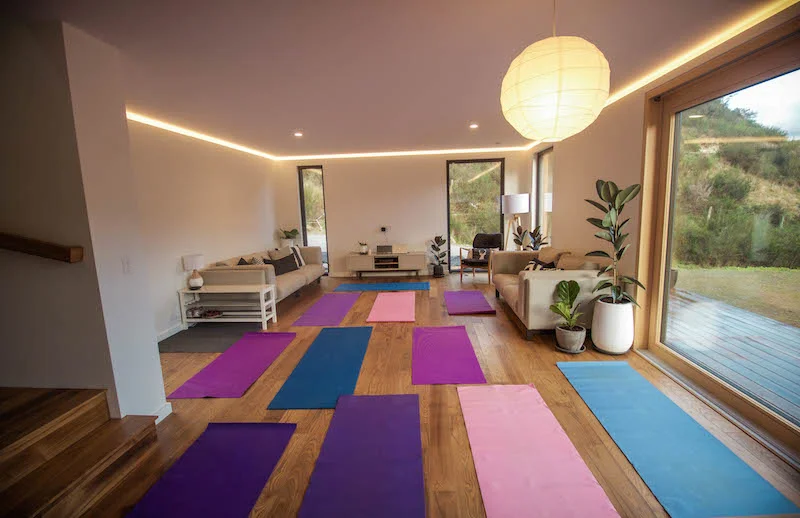
One day of bliss and escape: 10 women retreated to the stunning Taramea Passive House in Dalefield for our one-day locals Wellness Retreat on Saturday. From Gore, to Christchurch to Queenstown locals, the day was full of inspiring women dedicated to helping themselves live happier, healthier lives.





Yoga/Pilates Fusion class
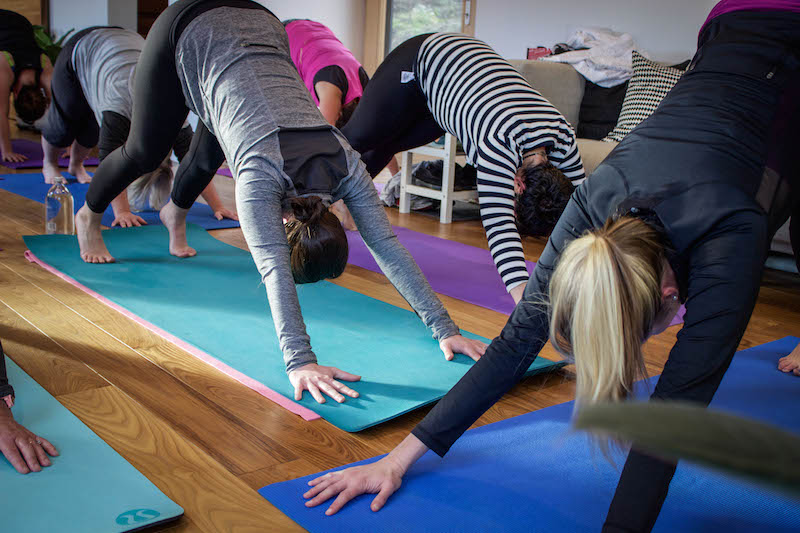
We started with some warm cups of chai or green tea (infused with lemon & ginger) then settled in for an hour long Pilates/yoga fusion class. With all levels of experience from regular yogis to first-timers, the class was a pleasure to teach, and I was so inspired with how hard each guest worked. Especially during the side planks!
Morning tea
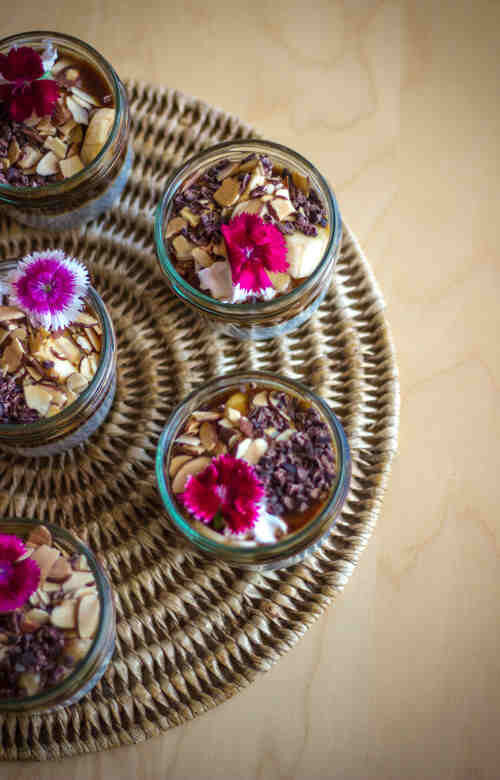
Rich caramel, baby soft coconut cream and sumptuous chia mix; incredible chia puddings by Bespoke Kitchen, Queenstown. They were a huge hit with the guests!
Nutrition Workshop
From the cabbage diet to the blood type diet; most of our guests had tried a trendy diet before. This led us into the workshop where we debunked common myths around eating, food and nutrition, and I gave everyone tips on how to avoid the winter blues this winter.
Lunch
Salads and mouth-watering soup made for a light, delicious lunch, thanks again to Bespoke Kitchen. One guest even mentioned the salads inspired her to make her lunch for work instead of buying salads. Perfect!
Goal Setting
I was so inspired by how engaged each guest was while creating goals and acknowledging the common obstacles around achieving change. The biggest was 'not enough time' - you'll have to attend one of our retreats to learn how to overcome that common obstacle!
Outdoor Breathing & Meditation
Breathtaking views of Coronet peak and rolling hills made for the perfect outlook for our deep breathing. After fully relaxing through deep breaths in the very mild winter temperatures, we headed back inside to the yoga mats for meditation. I was moved beyond words as I watched each guest sink into their calm. Most meditation classes I teach, at least one guest opens their eyes, shuffles around or loses concentration. This retreat though; everyone made the most of this rare chance to fully relax and retreat from the stress of everyday life. Afterwards, everyone told me they enjoyed the meditation and found it really easy to relax. Brilliant!
Organic Wine Tasting with Aurum (& optional massage)
The charismatic Lucie shared her experience as a wine maker for local organic winery Aurum during the wine tasting. As the women relaxed with cheese and wine, three of the guests made their way upstairs for their massages. Once they'd finished, Lucie started the tasting again just for them, but rather than run off home, all the other guests stayed and chatted at the venue. I was so thrilled watching as the guests got to know each other, all different ages and coming from a number of different home towns.
Once the last guest had made her way to her car to drive home, I couldn't help but smile as I remembered the happy hugs each guest had given me on their way out. These women had truly inspired me; their commitment to living their best lives, and looking after their bodies and minds created a palpable energy throughout the day, and everyone was smiling as they headed home.
If you wish to attend a day of bliss like this one, request a customised retreat for you and your friends, or just want to get in touch, contact me below. I'd love to hear from you.
Thank you to our massage therapist Pao, and to the brands who supported this wonderful day: Kiwiherb, Sid & Jac, Goodbuzz Brewing (kombucha) Climate House NZ and Vudu Larder.
Queenstown Winter Wellness Workshop - Lululemon
Join me for a free yoga/Pilates fusion class & wellbeing workshop to help you supercharge your health, energy and strength this winter. We'll end with a goal setting session to leave you inspired! Head to Lululemon at 7:30pm on June 30th. Wear your workout wear, get ready to sweat and
See you there xo

Your Health at Work: 3 proven ways to be healthier at work
We all work a lot, but some of us don't realise the truly devastating effects of having a sedentary work life. There are things you can do to stop your work from shortening your life span though, and they really work!
Heart disease, stroke, type 2 diabetes, depression: You're 90% more likely to suffer from one of these diseases if you sit for more than 8 hours a day. With studies showing most Western office workings sit for more than 9 hours a day, the risks are terrifyingly real. Unfortunately, hitting the gym for an hour after work doesn't combat the negative effects of sitting all day either. The damage is already done to your arteries, cortisol levels, fat metabolism, and mental health.
It’s not all bad news though! There are effective ways to combat the detrimental effects of sedentary work. These tips are based on evidence-based strategies we know really work - now it's up to you to try them!

1. Get up from your desk every 90 minutes
As soon as you get up and walk a few metres, your body’s metabolic processes get kicked into gear. Your cortisol levels decrease as your body’s stress levels lower. If you go for a fast walk, endorphins kick in, and the mechanisms in your muscle that stimulate fat metabolism are enhanced. The curves in your spine are also restored to normal, and the ciliary muscle in your eyes relax.
Benefits: Decreased back pain, increased fat metabolism, decreased stress, increased ‘happy’ hormones, decrease eye strain, decreased headache.
2. Walk somewhere for lunch
After eating, insulin is excreted by the pancreas to balance blood sugar levels. Due to an as yet unknown mechanism, when we sit for long periods, our bodies produce increased amounts of insulin. This puts you at a much higher risk of developing type 2 diabetes if you sit constantly and consistently without getting up.
Great news! By getting up and out of your chair, the pancreas is less stimulated to produce insulin. So go out and eat in a park and walk back to work (or even outside your office building)

If you’re working on something particularly stressful, your blood flow becomes restricted to the intestines in the fight or flight response. This makes digestion harder, and causes food to sit stagnant, causing gas and bloating. No thanks! Take just 10 minutes on you lunch break to get away from work, and combat the stress response. It will help you digest your food!
Recent research found those who sat for very long periods of time are twice as likely to develop diabetes and heart disease, than those who move around throughout the day.
3. Try a standing desk for 70% of your day
They’re not just trendy, they really work!
A recent study showed a 32% decrease in back pain in those with standing desks.
We also know standing helps stimulate the metabolic processes, making fatty deposits in your arteries (artherosclerosis) that leads to heart disease less likely.
Standing and moving helps stimulate production of endorphins and prevent the stress response to be activated when it’s not needed, like when you’re at work.
Studies are also finding you’re more productive, can make faster decisions and have better mental acuity when standing.

You have to work, and your work involves an office. I get it. But modern science is proving traditional work lives are really detrimental to our health. These 3 small changes can really make a difference to your health; both mental and physical - so why not give them a go?
To get the free 1 page guide on the top 5 foods to supercharge your health for winter (and help you stay healthy while at work) Click the button below:
How Stress Leads to Premature Aging
How to Stop Stress from Ruining Your Body
None of us want to look older than we area. Sadly though, our modern stressful lives are contributing hugely to the premature ageing of our skin, brains hearts, tissues and organs. How?
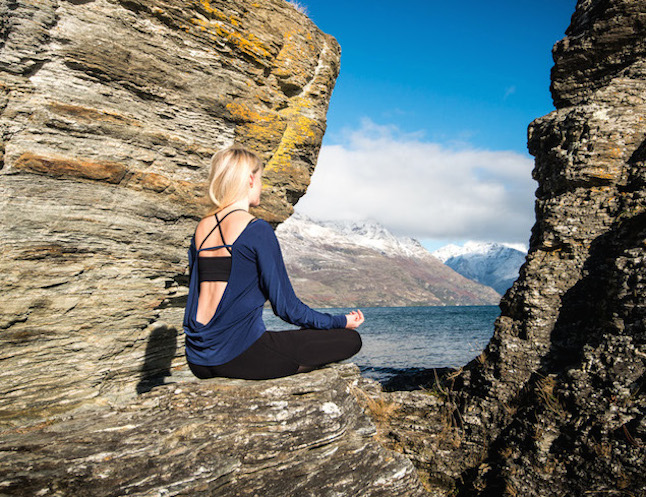
What Happens When You’re Stressed
When the stress response is activated too much, it can cause wear and tear on your body, called allostatic loading. This load can lead to everything from heart disease to changes in your brain. Yep, it’s that serious.
When you’re stressed, your body arms itself, preparing you for battle or a quick getaway. Your blood flow increases which elevates your blood pressure, so your heart pumps faster to deal with the faster blood flow.
The quick blood flow streams away from the organs, and floods to the extremity muscles to prepare you for a fight.
These changes lead to an increase in metabolic rate, your glucose-based energy stores are mobilised, and you blood gets thicker to stop you bleeding (in case of battle wounds)
In preparation for more battle wounds; your inflammatory hormones: cortisol, cytokines and interleukins are mobilised. These handy hormones help with tissue damage repair. Perfect for a post-battle fix up.
Stress and Modern Life
While these physiological changes are handy to combat a physical threat, they’re almost useless in our everyday, sedentary lives. Because of over-stimulation from devices and media, stressful jobs and always being ‘busy,’ the stress response is activated far more regularly than it should be.
When you’re stressed regularly, the biochemical changes in the body can lead to tissue damage, and serious, chronic conditions.
The Effect of Stress on Your Body
Stress includes a number of biochemical and physiological changes in the body that can create lasting damage. By putting your body under large amounts of allostatic load, your organs can suffer. Here are just a few things that can happen from being stressed long term, and what they mean for you.
Your immunity decreases: you’ll get the flu more often
The stress hormone, cortisol, can cause your bones to thin: You can fracture bones more easily
Your arteries harden, and develop fatty plaques: atherosclerosis: Your risk of heart attack and stroke skyrockets
Your metabolism goes out of whack (metabolic syndrome): Your blood lipids (fat) and glucose levels rise, making you more at risk of Type 2 diabetes and putting on weight around the middle.
Your amygdala, the fear and stress centre of the brain, grows and becomes more active in everyday situations.
Your brain ages faster, causing atrophy (or cell loss of brain tissue) because of neurochemical changes: You’re more likely to develop Alzheimers.
Your digestion changes; with less regular blood supply to the intestines, your digestion worsens: You can develop IBS and feel bloated regularly.
How To Combat Stress: The Solution
It’s not all doom and gloom. Now you know that stress actually creates real, detrimental damage to your body, you can change. It’s all down to mindfulness. Now before you shake your head, thinking I’m just another hippie, hear me out.
As a physiotherapist, evidence-based medicine is essential to my practice. Thanks to recent research, the evidence around effective strategies for stress relief is everywhere, and it all points to mindfulness; which essentially means regular practice of meditation, or focusing the mind.
Read the evidence with links to 39 research papers here.
Mindfulness and Stress
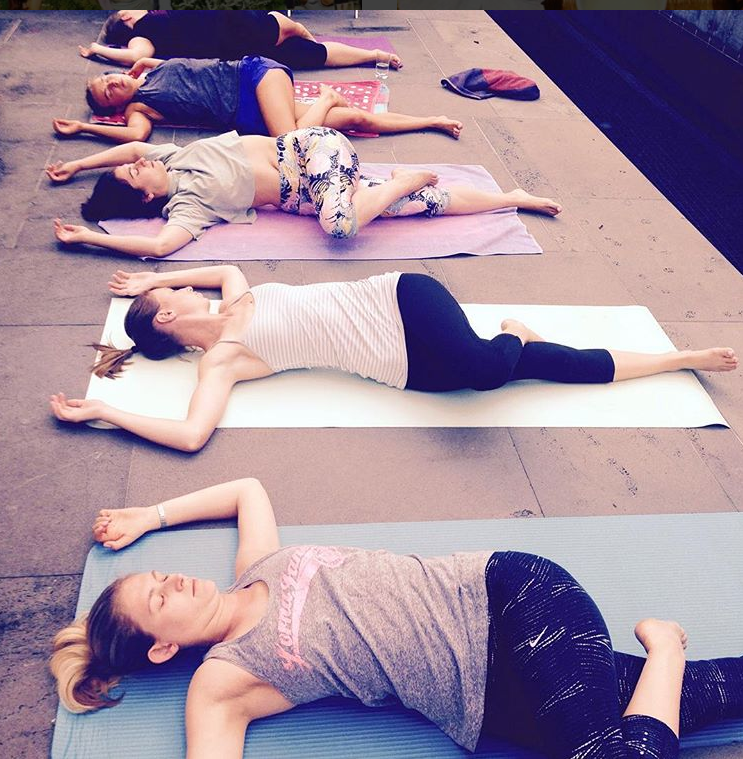
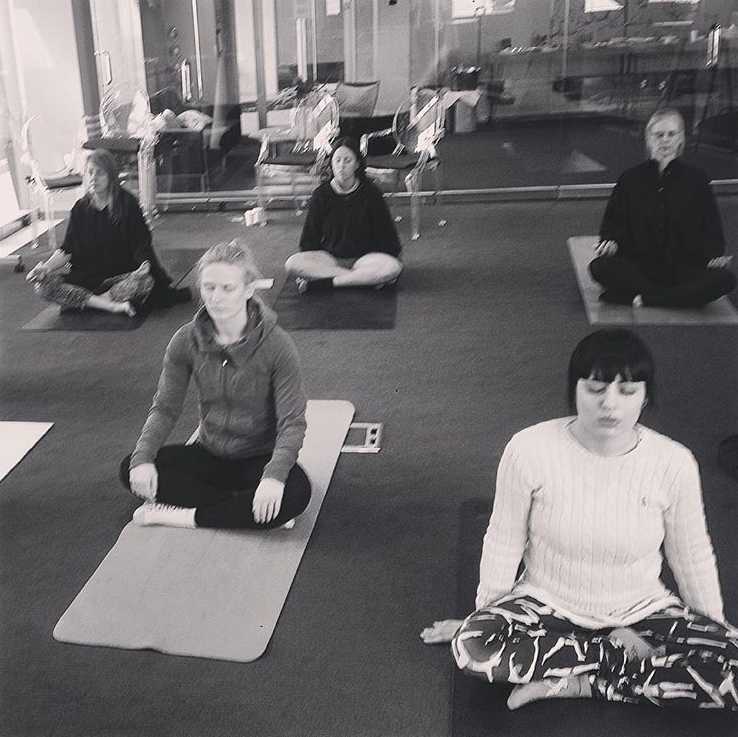
Recent studies have shown mindfulness can help stop the inappropriate stress response. When you’re sitting at your desk all day and there’s no bear to run away from, or adversary to fight, a stress response to everyday tasks is inappropriate and over active. By practising mindfulness with even a five minute meditation each day, you can decrease your risk of stress-related damage.
Mindfulness has been proven to create biochemical changes:
Decreases inflammation
Decrease risk of depression and anxiety
Decreases cardiovascular stress
Decreases DNA aging and improves genetic repair
Lower risk of chronic illnesses
Thanks to brain imaging, we’ve also discovered grey matter in the brains of long-term meditators actually becomes thicker, particularly in the areas of sense perception, memory, and executive functioning.
Studies have shown mindfulness might even be able to combat the effect of ageing on the brain!
How Does Mindfulness Decrease Stress?
Neuroplasticity is the most incredible trait of our brains; it means we can re-wire our brains constantly throughout our lives. What does this mean for you? It means you can learn new skills, languages or sports, un-learn bad habits, and re-train your brain to do amazing things.
Essentially, neuroplasticity (our ability to learn new skills) is the scientific basis behind ‘practice makes perfect.’
When you practice something, your brain creates new activation patterns for that activity. Once you’ve practiced something many times, that skill becomes easier, almost automatic. When you watch a pianist perform a piece they’ve played for many years, doesn’t it look effortless? It’s not, but their brains have learned that piece of music so well, the wiring is all set up. All they need is focus, and they can play it over and over again, getting better each time.
Practicing mindfulness is the same as any other skill. The more you do it, the better you become. You get better at:
Self-compassion
Kindness
Compassion for others
These handy skills make you less likely to suffer from depression and anxiety.
Did you know: Mindful-based cognitive therapy has been shown to halve the relapse rates of those with depression, from 78% to 36% !
Science-wise Mindfulness makes you better at:
Focus. It improves your ability to focus on a single thing at once: instead of multi-tasking (which makes us mediocre at lots of things at once, instead of great at one thing at a time!)
Attentiveness
Problem solving
Critical thinking
Emotional regulation
Managing stress
That last point is key. When you can manage stress, you can stop the biochemical changes stress places on the body, and prevent the nasty side-effects of chronic stress.
How to Practice Mindfulness
I like to keep it simple ans use simple apps to help. Here are my top faves:
Headspace (free 10-time trial)
The Smiling Mind (free)
and guided meditations on Youtube!
If You Don’t Have Time For Mindfulness To Manage Your Stress
Make time! I know that's not the answer you're looking for, but it's the only answer. 5 minutes a day is nothing! You have 288 lots of 5 minute intervals throughout the day. I guarantee you can find one of those 288 time slots to try meditation.

Tip: Get a calendar (Google calendar online is my fave) Whenever you do a 5 minute meditation - write 'I did it!" in YELLOW on your calendar. By the end of the week, if you have five yellow markings - You’re doing great! It doesn’t have to be everyday to start, but just start somewhere.
Stress creates physiological damage to your brain and body, yet our modern lifestyles have glorified stress, over-working and constant busy-ness. Look after your body, and your brain by easing stress with just 5 minutes a day of mindfulness. Make the change. It’s your body, no one else's. It's up to YOU to look after it. You only get one after all!
Want more tips on living well? Join our community full of people like you looking for strategies to live, move and feel better by signing up below!
5 Little Known Hacks: A Cheat Sheet For Getting Your Family To Eat Healthier In Winter
You may love green leafy veggies, chia smoothies and whole foods, but if your kids or partner don’t, it makes meal time hard. Below are some handy ways to get your family to eat healthy, and only have to make one meal you can all enjoy!
I've spoken to so many women at my retreats who have a real interest in healthy eating, but their families don't. These women inspired this post! I hope it helps.
1. Try Eastern Food for Hearty Vegetarian Dishes

There are still plenty of people who think vegetarian food is lacking and boring. But! It doesn’t have to be. The very best curries are usually vegetarian, and they use paneer (Indian cheese) and rich, flavourful sauces to generate flavour, rather than meat.
With new compelling research linking excessive red meat consumption to cancer, it's important to try to eat vegetarian at least 3 days a week.
Tip: Keep it simple, and buy curry paste from the supermarket, but make sure it's from Thailand, Malaysia or India. The authentic ones are less likely to have additives and nasties (and are usually gluten free) Add your paste to your stock or coconut milk, throw in your veggies are you're good to go. Pumpkin curries in winter - yum!
2. Add Garlic to Green Leafy Veggies

One of my favourite recipes is kale, or silverbeet with garlic and mushrooms. My partner loves it too! By adding plenty of fresh garlic, you cover up the ‘planty’ taste of the greens, and boost the flavour of the mushrooms and garlic. I sauté it lighty, and serve it as a side.
Ingredients:
2 cloves garlic finely chopped or pressed
Leaves of half a whole silver beet
6 button mushrooms finely chopped
Splash of olive oil
Method:
Remove the veins and stem of the silver beet (these get really tough when cooked)
Chop the leaves roughly into thick ribbons
Heat a fry pan & once hot, add olive oil
Add the garlic, then throw in the silver beet ribbons and mushrooms.
Once it’s wilted but not soggy, pop on a plate & serve
3. Use Flavourful Vegetable Stock in Soups & Rices
A lack of flavour is what most people associate with healthy eating. Not so! By using quality vegetable stock in soups, and water when you cook rice, you’ll inject all your dishes with extra flavour. If you steam veggies, you can even add the stock to the water for a bit of extra taste.
4. Mix it Up

Variety is key to keeping you, and your family interested in food. Whoever cooks, it’s great to try new recipes, new ingredients and new flavours. There are so many websites and apps out there to help you, but try following a few recipe-creators in Instagram.
Tip: My fave websites for healthy eating recipes are Julie & Libby and The Healthy Food Guide.
5. Encourage Mindful Eating

Beautiful fruit & veggies like pumpkin and oranges are jam-packed full of flavour in winter. At mealtime, if you switch off the TV and put phones away, you and your family can concentrate on the taste, smell and texture of your food. You’ll find everyone will enjoy the food more when they concentrate on the flavours.
If you contact me about the article above, you'll get my interactive Wellness Workbook free! Just mention this blog post.*
*I'll also add you to the Aprivé Wellness Email List to give you health tips & retreat offers
Killer Tips About Healthy Eating, Eco-friendly Food & NZ's Top Health Treats
4 Questions with the Founder of I Am Co. Health Boxes
A few months ago, I was thrilled to be featured on the I Am Co. blog describing my morning ritual. After discovering this clever brand I chatted to Georgie, founder of I Am Co. subscription health box company, about what she's learned about healthy eating and food.

An I Am Co. Health Box - Yum!
1. Why do you think people need help with eating healthy?
In the western world, we’re constantly presented with processed food products and beverages that have been tampered with and mess with our whole being. I believe food has a huge impact on how we exist in our day to day lives. Eating healthy can be the catalyst to get somebody on the right track in every area of their life.
2. Why is ethical or eco friendly food production important to you?
Although none of us are perfect, I think it’s important to take notice of at least the small things that we can. Looking for products that are ethically sourced or grown is becoming more and more crucial, particularly in the world of ‘Superfoods’ where a lot of these products are grown in developing countries.
Looking at the packaging is something we’re starting to take a lot more notice of and we will continue to update. I Am Co. will keep working towards becoming an even more eco-conscious company ourselves.
3. What's your FAVE healthy product you've come across?
Oooh such a hard one! As a big chocolate lover, I’d have to say any of the RAW chocolate products we’ve featured. I love Pana & Loving Earth chocolate from Australie, but the NZ brand ‘Neats Treats’ makes some pretty crazy good raw chocolate also. I love the natural feel-good chemicals that get produced when you eat raw cacao!
4. What does each Delight Box always contain? (is there a staple?)
We always love to include a different herbal tea. We’re big tea drinkers and know that it’s one thing you can never have too much of. Plus it encourages people to take time out of their busy-ness to slow down and have a moment. NZ has a lot of beautiful tea companies popping up all over the show, so we try to support these where possible!
In general we look for brands that share at least 2 or more of these values:
Free of preservative or additives.
GMO Free.
Refined sugar-free
Gluten-free
Vegan
Paleo
Locally sourced

Georgie, Founder of I Am Co.
Thanks so much to Georgie for her expert insights into healthy food, eating and yummy NZ treats. Read more about Georgie, and I Am Co. Below. Get your own I Am Co. health box here.
Georgie Hendl is the founder of I AM Co. - a wellness hub online that spreads a message of self-empowerment and love. I AM Co sells a monthly subscription box ‘The Delight Box’, which is filled with up to 10 different health foods and natural beauty products.
Georgie is also a qualified holistic nutritionist, yoga instructor and passionate foodie.
She’s based out of Auckland, NZ.